The Ultimate Semi Truck Fifth Wheel Lubrication Gu
Alt Text: Truck driver troubleshooting a frozen fifth wheel coupling failure in winter conditions.
Meta Description: Don't let rust destroy your fifth wheel. Learn the correct greasing points, the best lithium grease types to use, and how often to lubricate for smooth coupling in all weather conditions
The Ultimate Semi Truck Fifth Wheel Lubrication Guide: Preventing Rust and Wear
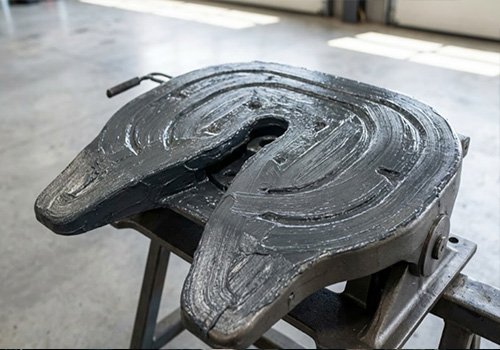
Alt Text: A properly maintained and freshly lubricated semi-truck fifth wheel top plate.
Friction is the number one enemy of your heavy-duty truck's coupling system. A dry, rusted top plate—like the one shown in our inspection reports—can lead to steering difficulties ("steer tire push") and accelerated tire wear.
Proper lubrication is not just about slapping on some grease; it is about protecting the metal integrity.
1. Choosing the Right Grease
Not all grease is created equal. For heavy-duty fifth wheels, you need a high-pressure, water-resistant grease.
Recommendation: Use a Lithium Complex Grease with Molybdenum Disulfide (Moly). The "Moly" provides a plating action that protects the steel even if the grease is squeezed out under heavy loads.
2. Key Lubrication Points (Don't Miss These)
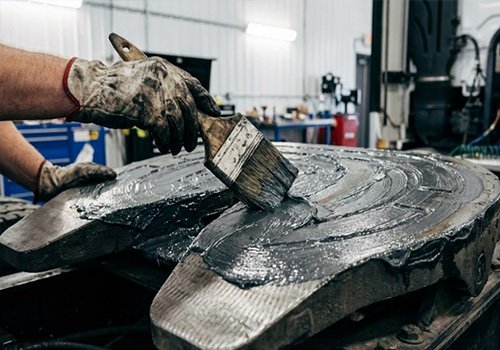
Top Plate: Apply a heavy coat to the surface. If you use a No-Lube Plate (Teflon liner), check it for cracks instead of greasing.
Locking Jaws & Kingpin Throat: This is critical. Use a spray lubricant or brush grease directly onto the jaws and the locking mechanism. Dry jaws are the leading cause of hard coupling.
Pivot Pins: Pump grease into the zerk fittings on the side of the fifth wheel until you see fresh grease purging out old contaminants.
Winter Maintenance Alert
In cold climates, old grease can harden, causing the locking mechanism to freeze. Before winter hits, steam clean your fifth wheel to remove old, grit-filled grease and apply a fresh winter-grade lubricant.
Pro Tip: Regular cleaning prevents the abrasive "grinding paste" effect caused by road sand mixing with old grease.